
Technology / Maya Rios
Why AI Search Is Rewriting the Web’s Traffic Rules
Answer engines are changing how people discover information — and forcing publishers to rethink what “search visibility” really means.
Answer engines are changing how people discover information — and forcing publishers to rethink what “search visibility” really means.
Speed is only one part of the story. Orbit, latency, capacity and the user terminal determine how satellite broadband feels in daily use.
A few quick checks can reveal whether a photo is old, cropped, mislabeled or generated out of context.
Trust comes from visible process: clear sourcing, corrections, authorship, context and a consistent separation of reporting from opinion.
The cloud has a physical footprint. New computing campuses can reshape electricity demand, planning debates and local infrastructure.

CRISPR is a powerful molecular tool, but the leap from editing DNA in a lab to safely treating disease is complex.

Housing shortages are shaped by land, construction costs, approvals and local rules — not a single lever.

Inflation is a rate of change, not a rewind button. That distinction explains why prices can feel high even after inflation cools.
Passkeys replace reusable secrets with device-backed credentials. The user experience is simpler, but the transition has a few important details.

Modern chips pass through a surprisingly global chain of design, equipment, fabrication, packaging and testing before they reach a device.

Mileage matters, but temperature, charging habits, battery chemistry and software all shape how an electric vehicle ages.
Large batteries are becoming part of the electricity system, helping grids balance fast changes in supply and demand.

Shade, materials, trees, transit and building codes are becoming heat-resilience tools rather than aesthetic choices.

Subscriber growth is no longer the only goal. Retention, advertising, licensing and production costs now shape the content pipeline.
The biggest shows still dominate attention, but niche programs can build unusually loyal audiences around expertise and community.
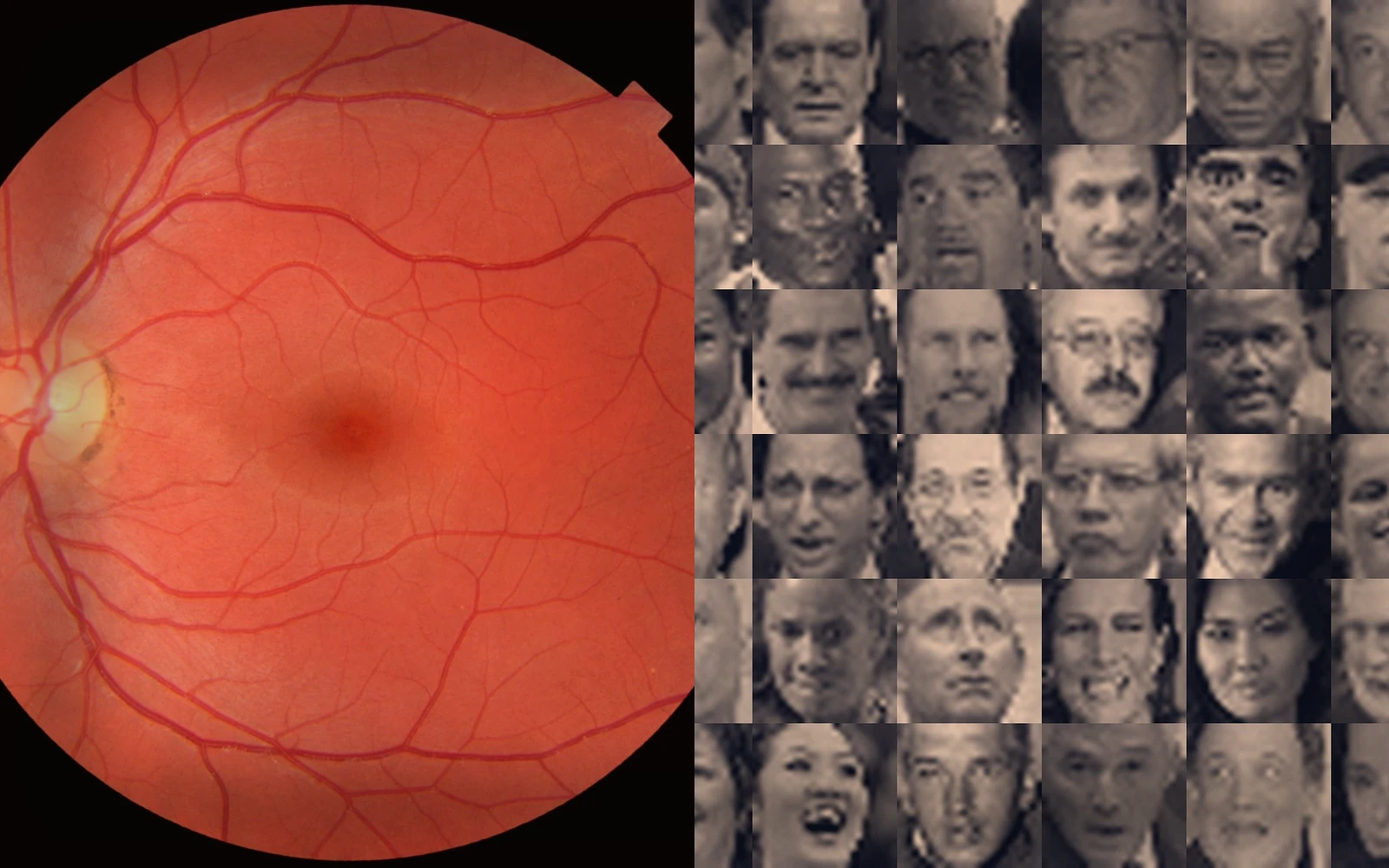
Faces, fingerprints and voice patterns can simplify authentication, but unlike a password, they are difficult to replace after a breach.