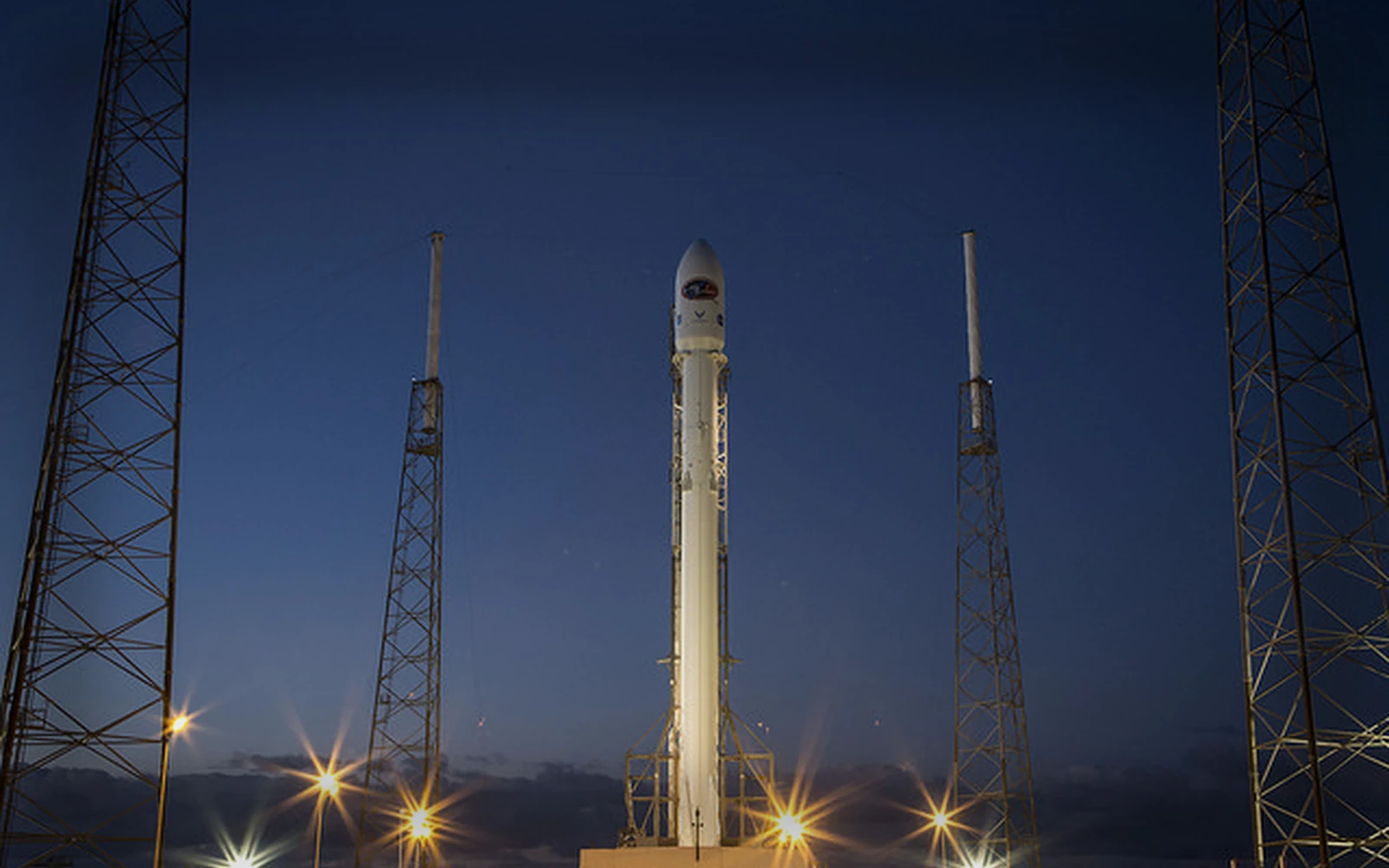
Orbit looks vast from the ground, but useful altitude bands are becoming busy. Active satellites share those regions with old spacecraft, spent rocket stages and fragments created by earlier collisions or breakups.
Ground-based radar and optical telescopes observe objects and update estimates of their trajectories. The goal is not to know an object’s location perfectly; it is to predict where two paths might come uncomfortably close.
Why this matters now
When a conjunction looks risky, satellite operators can plan an avoidance maneuver. That decision is harder than it sounds because every maneuver uses fuel, changes future predictions and may create a new close approach with a different object.
Small fragments are especially difficult. They may be too tiny to track continuously but can still damage a spacecraft at orbital velocity. Shielding helps in some environments, but avoiding larger tracked objects remains essential.
What to watch next
More satellites also create coordination challenges. Operators need reliable contact information, shared standards and timely data so that two spacecraft do not both move in ways that make a situation worse.
The long-term solution combines better tracking with responsible end-of-life planning. Satellites should be designed to leave crowded orbits when missions end, reducing the chance that today’s infrastructure becomes tomorrow’s debris field.